
Information System Development
We designed the internal logic for a large-scale project, built a full system, and updated the design to be modern, minimalistic, and easy to use.
From Chaos to Order
The client requested a self-service portal for product inventory and lifecycle management. The system had to help keep the product catalog up to date and provide additional information about each item. With this tool, employees can create templates and use them to calculate metrics for software services, components, products, and business activities. The easier the system is to use, the faster employees can access internal information without obstacles.
What Was Wrong with the System
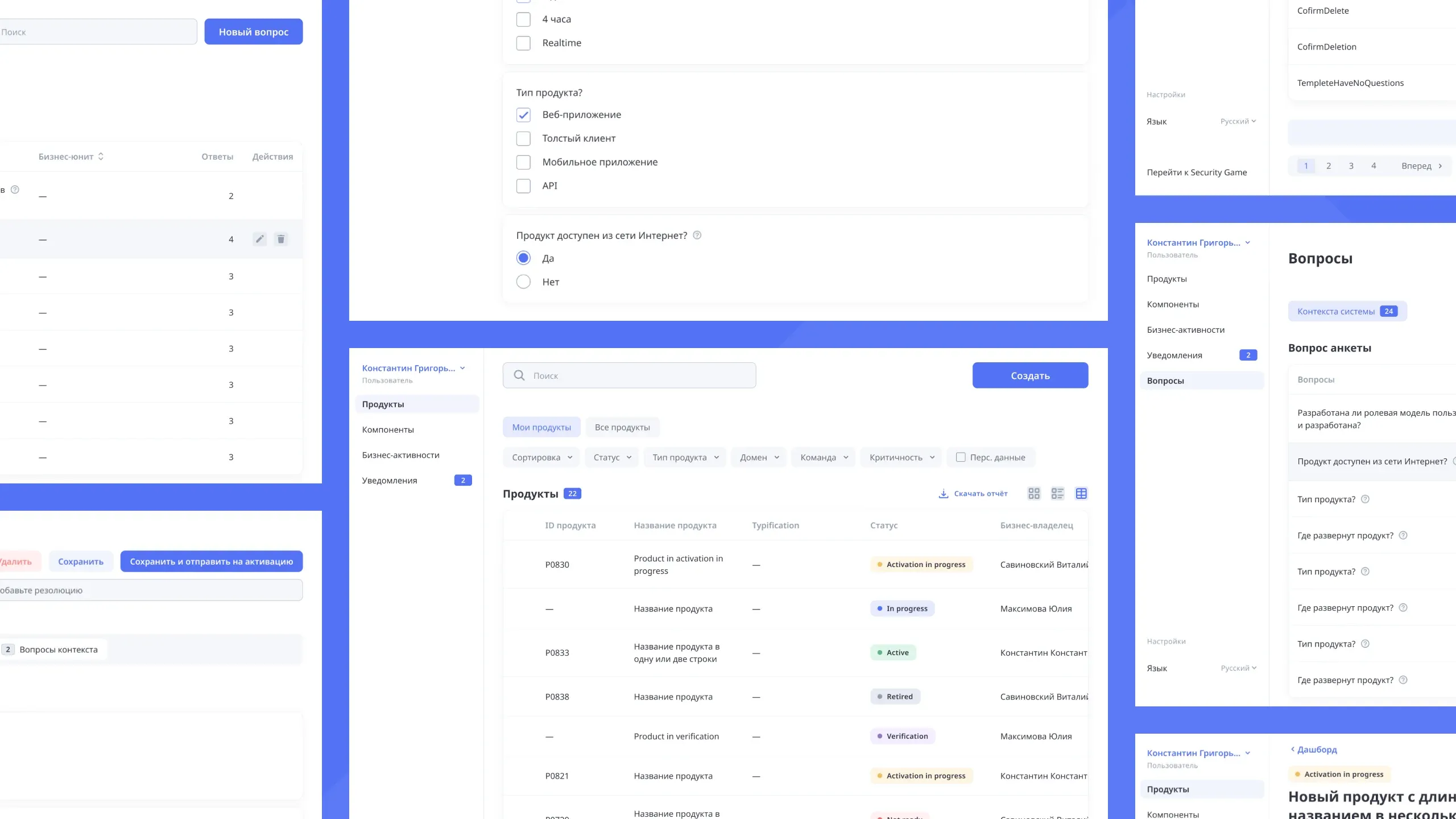
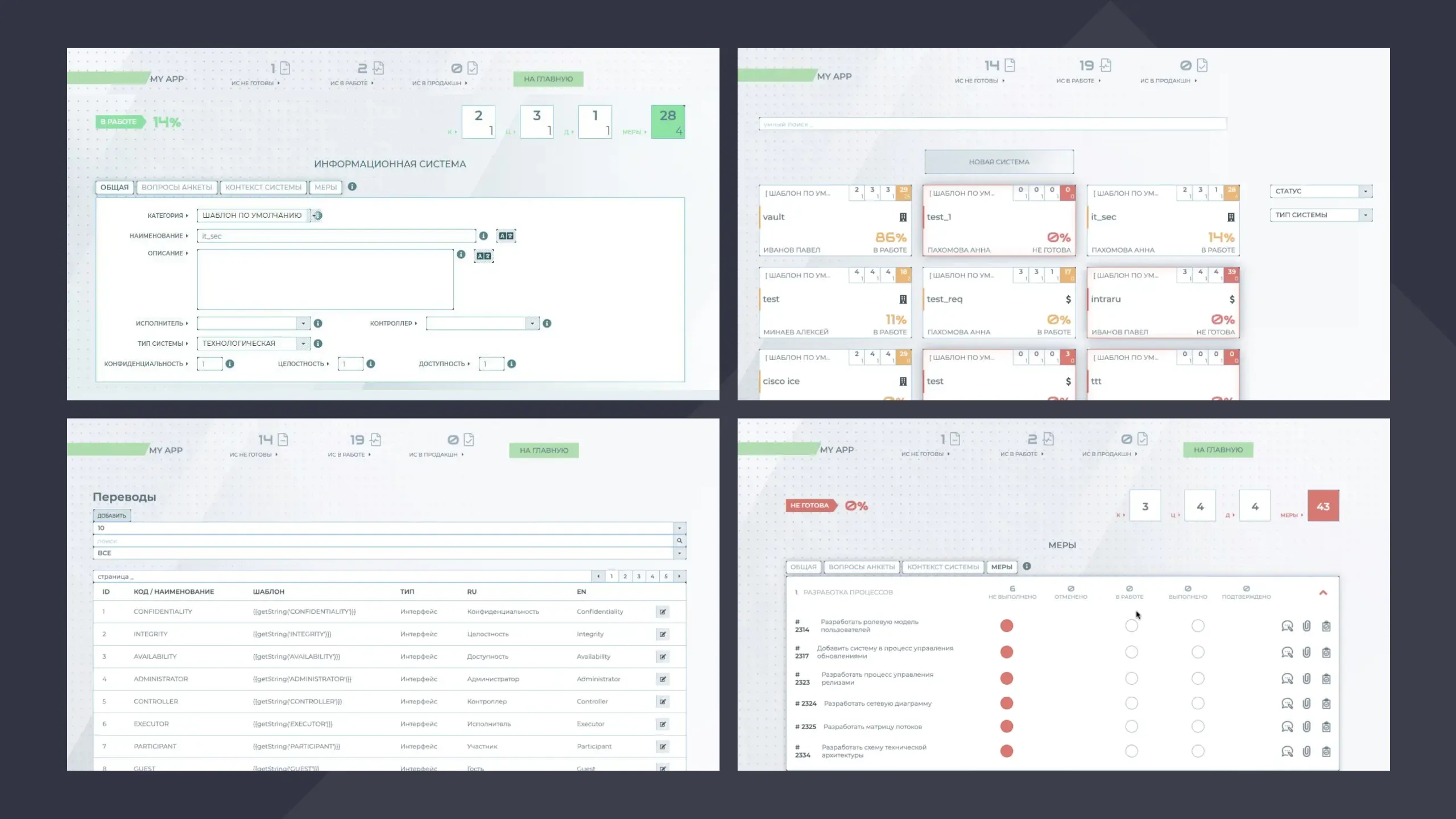
The interface was both overloaded and underloaded at the same time: visually cluttered yet not convenient enough from a UX perspective. It also lacked essential functions and user scenarios needed for real workflows. Our task was to fix all of that. We kept only the top-level navigation—the section logic. Everything else was redesigned or built from scratch.
Building the Logic
Nobody knows better than the client what the final result should be. And nobody knows better than us how to get there. We worked together on the system's internal logic. Initially, the client provided a large pool of unstructured data that needed to be transformed into a final product. During joint calls, we structured the logic and proposed hypotheses. Designers then turned those ideas into interfaces and passed the specifications to developers. The cycle repeated until all required features were ready. This process is still ongoing: as the system is used, it becomes clear which functions need to be added and which become unnecessary over time.
Development Stage
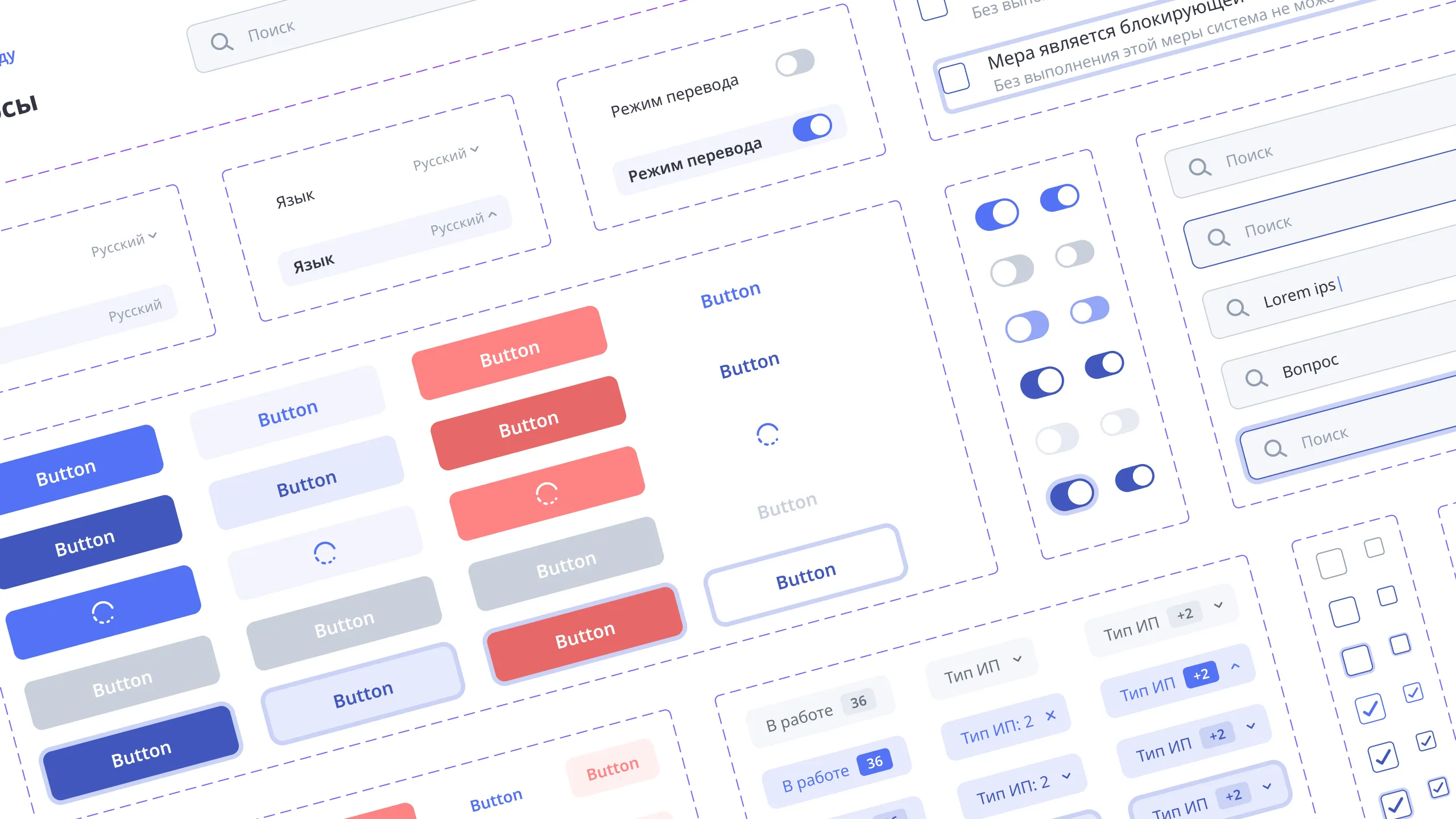
The design team provided Mish’s internal development department with a complete UI Kit. We built a component library to enable fast assembly of functional interfaces. For development, we selected React and Storybook. The main challenge was integrating the system with the client’s internal platforms — fetching data and synchronizing it back. For the backend, we chose Next.js, Express, and PostgreSQL. Interaction with the server was implemented via REST API. This setup allowed us to retrieve data from the portal and let other client systems access updated information. We also built a role-based model for both server-side and client-side logic. QA specialists tested every detail for security, spending two weeks checking every “virtual crack.”
Information Structure
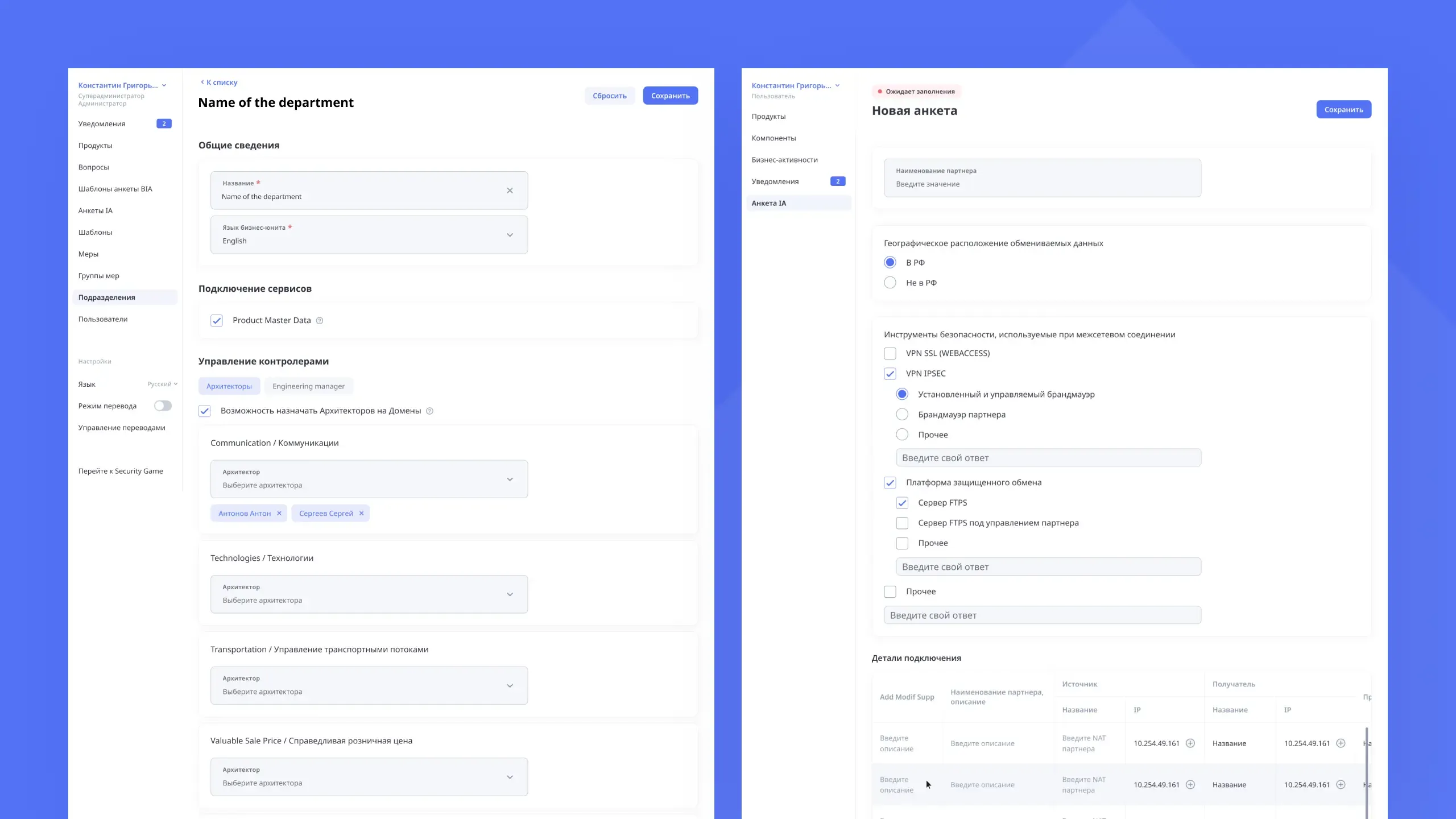
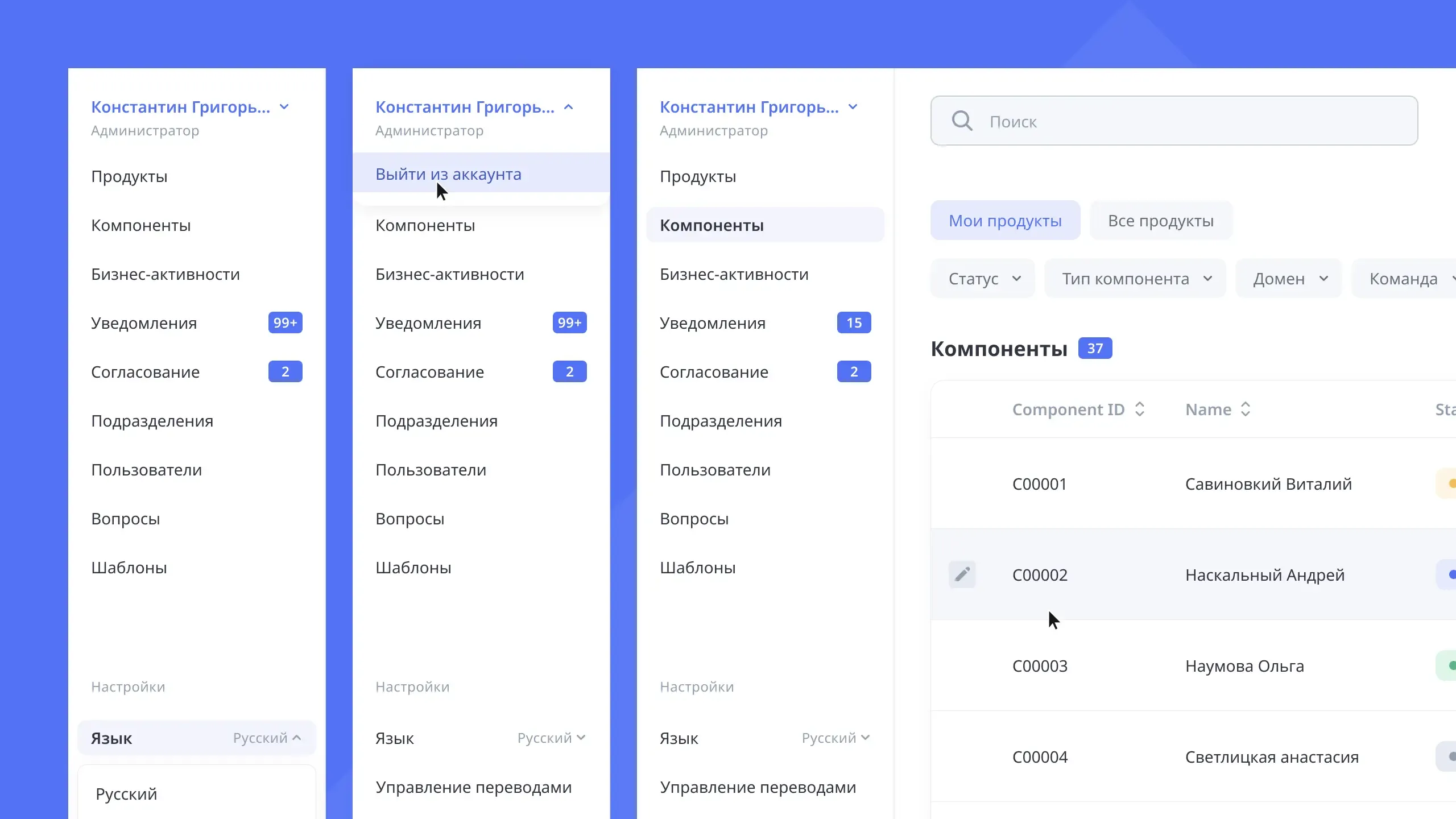
We used the existing admin panel as a foundation and fully redesigned it. We created interfaces for the three most frequent user roles. The result is a multi-level structure with a navigation tree, a full content section, and a significantly expanded feature set.
Dashboards
A large part of the system consists of various data tables. Users create them, and then architects take over the process. All dashboards can be viewed in three different modes, and users can choose whichever layout feels most convenient. We unified all dashboard designs so that content could be quickly understood across various products, helping users access information faster.
Entities
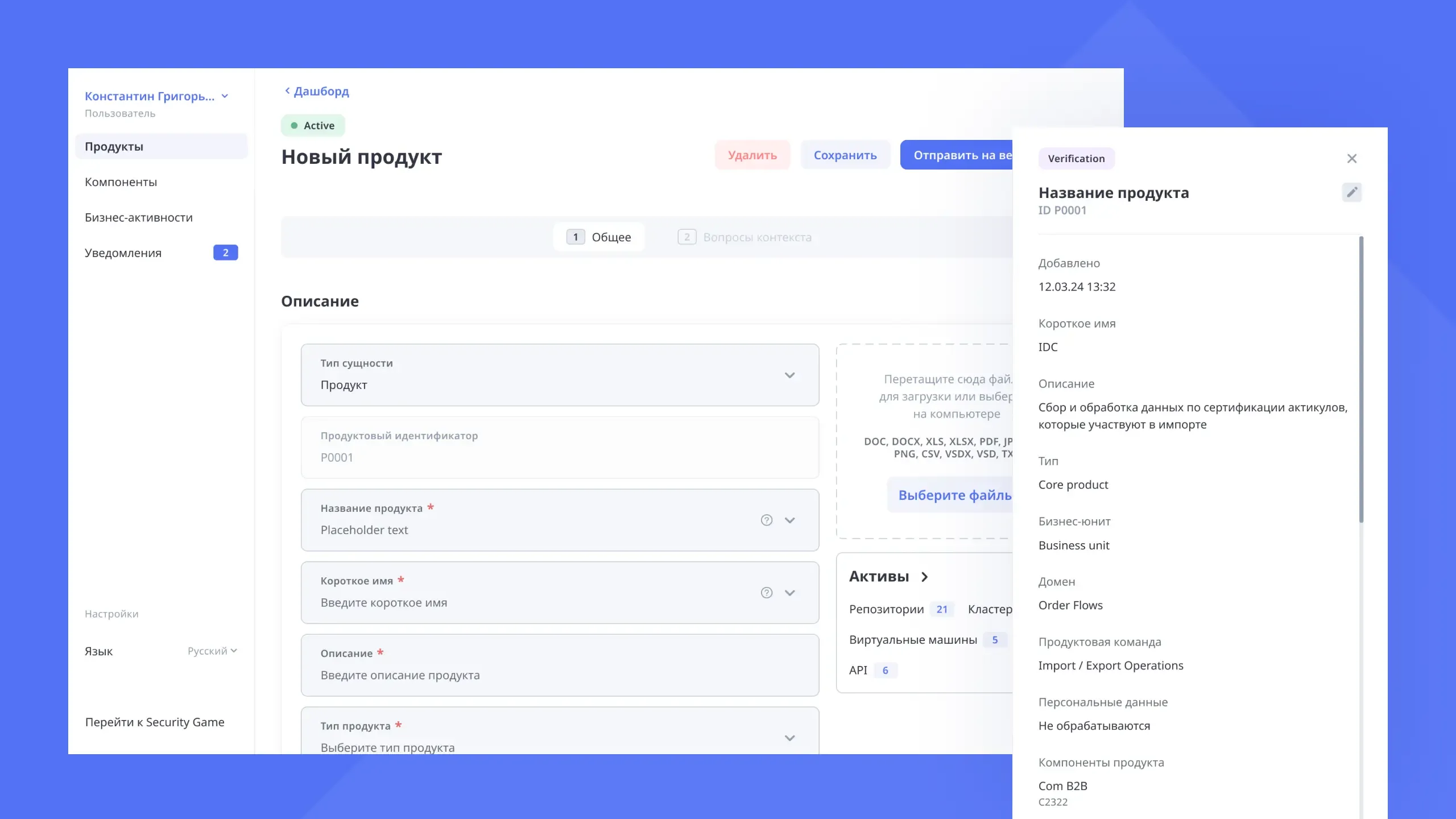
Inside the company, “entities” refer to informational products created and maintained by employees. To launch a workflow, users must fill out very complex forms — but the experience must feel as simple as possible. We designed a multi-step form with different criteria, divided into logical stages. The system also includes a viewing mode that displays all user-entered data in a clear, structured layout.
Looking Back and Forward
We won the tender for this project in August 2020. Active development began in 2021 and continues today. First, we carried out a full-scale build; now we handle ongoing support and release new features based on client needs.


