

How to Help a Business Earn 10 Million Rubles in 20 Seconds
We’re Mish Product Lab, we research, design, and build digital products that make businesses money. One day (not around New Year’s), we built a high-performance landing page for a Christmas ornament factory in Nizhny Novgorod. This factory sells hand-painted ornaments all year long. They came to us in the spring with a goal: launch and sell their spring collection. Spoiler: we did it — fast, efficiently, and very profitably.
How Nizhny Novgorod Craftsmen Create a Scarce Product
Each ornament is hand-painted, making every single one unique — no two are alike. So the buyer isn’t just getting a handmade item, but a one-of-a-kind collectible.
The factory produces small batches throughout the year, so collectors can keep expanding their sets. But that exclusivity comes at a price — the website couldn’t handle the traffic spikes when new collections dropped.
That’s the problem they brought to Mish.

When the Site Couldn’t Keep Up
Each batch includes around 1 to 15 ornament designs, with 300 pieces of each. That’s about 2,700 to 4,500 total items per drop. The entire sale cycle lasts between 10 seconds and 1.5 minutes. Thousands of users rush in at once — and the site crashes. While the server’s down, no one can buy anything. Even exclusivity can’t help you sell if your site doesn’t load.
We needed to fix that. But it came with two stars on the difficulty level.
- First one: the next batch was launching in a week.
- Second one: building a proper e-commerce website normally takes six months.
We had to find another way.
Our developers first analyzed the previous contractor’s solution. The site was built on 1C-Bitrix CMS running PHP 7.4 — stable, but too heavy to optimize in time.
So we came up with a patch solution: build a lightweight landing page to collect purchase requests. After confirmation, customers could complete their orders manually. There was also a product limitation: one order = one ornament. No bulk shopping — a tiny dose of socialism in the digital age.
How Mish Approached the Challenge
In three days, we designed and approved the layout. Two more days later, the backend logic was ready. We chose Golang — perfect for low-level, high-speed systems. The new system limited the number of ornaments per order, tracked stock in real time, and exported all requests to Excel for manual processing. Sounds complicated — worked out flawlessly.
The first spring collection, “Frosty Rowan,” included 9 ornaments (300 of each — 2,700 total).
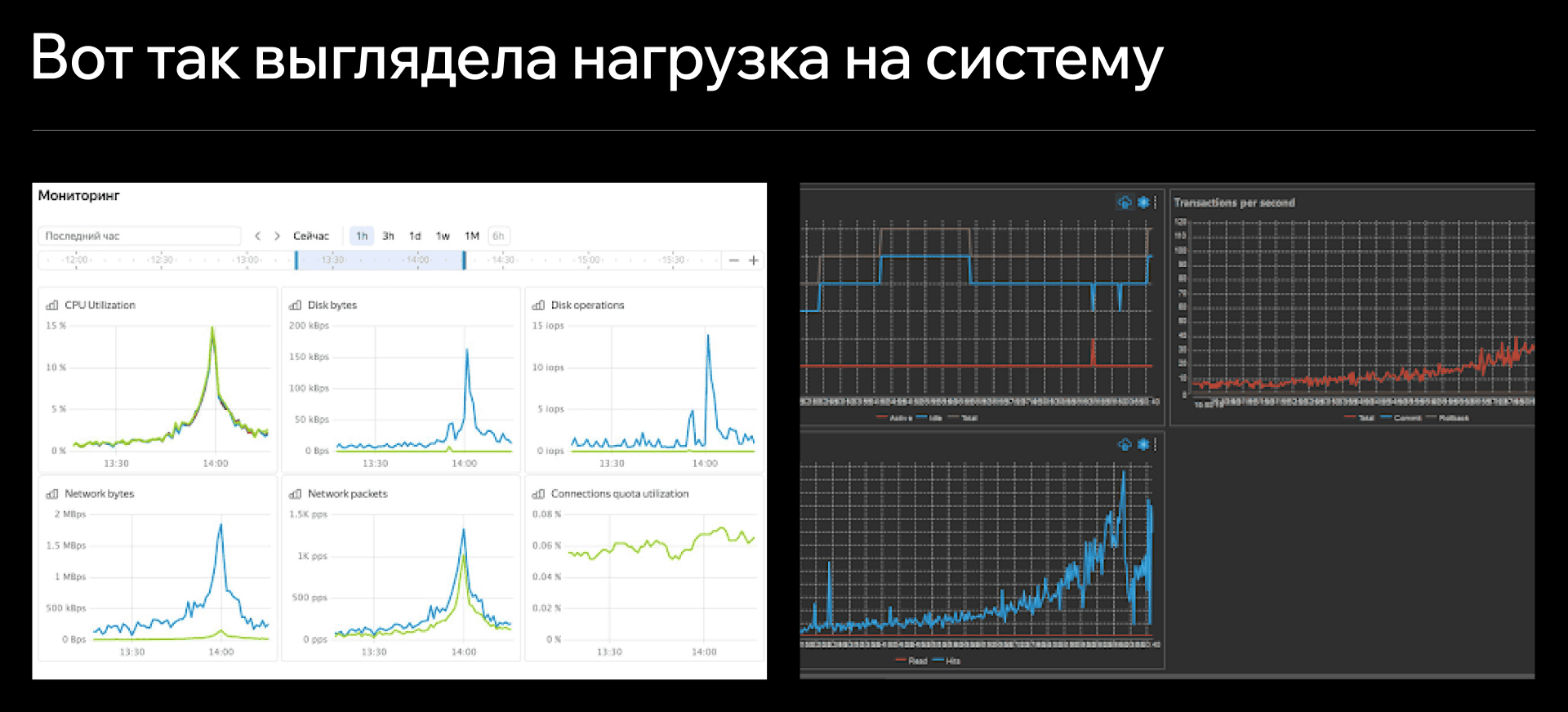
The sale launched on April 9 at 14:00. The first 600 orders were placed within a minute — that’s about 10 ornaments per second. Despite being a re-release, the entire batch sold out in 20 minutes, with zero downtime.
Monitoring
A few days later came the Easter collection — 6 ornaments (1,650 total).
This time, the server couldn’t handle the load. It crashed multiple times, but once we brought it back — everything sold out in about one minute.
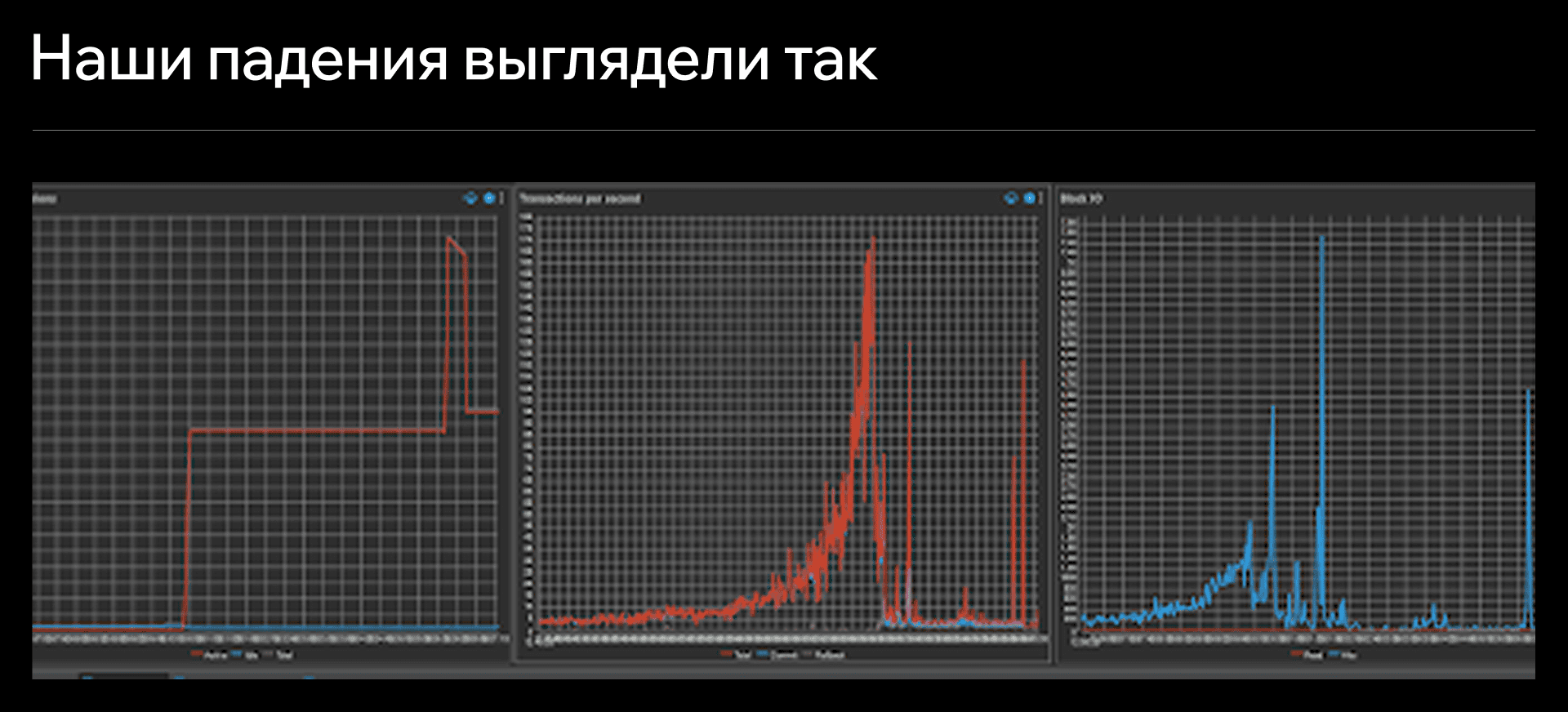
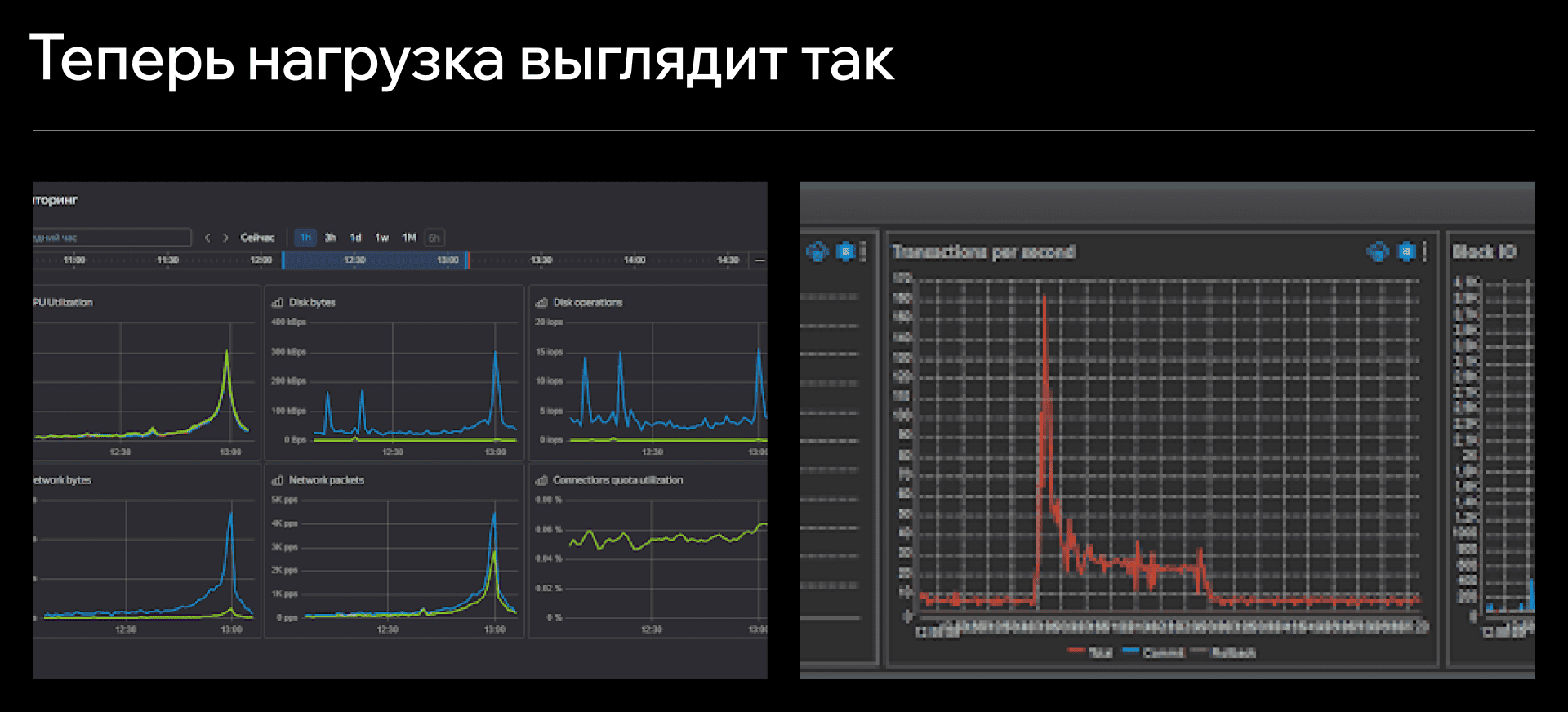
Before the third drop, we revisited the backend logic. PostgreSQL couldn’t process so many simultaneous transactions — it hit locking limits. So we moved transaction handling to Golang’s in-memory level, which made operations instant.
On April 24, the “Boy with a Toy Plane” collection (450 pieces) sold out in 21 seconds, with perfect system stability.
The next drop — 300 hedgehog ornaments — sold out in 17 seconds, with zero failures.

Everyone Won
The client came to us for help growing their business. We could’ve spent months rebuilding the entire system — but instead, we found a quick, flexible, and scalable solution. We didn’t fix someone else’s code. We built something new — small, simple, and efficient. And, most importantly, it made money.

More articles
Previous article
How to Choose the Right Respondent for Digital Research
Research, data analysis, processing results, and integrating insights into workflows — all of it can turn into a waste of time and money if you start with the wrong respondents. So how do you make the right choice? Who should you talk to, when, and how do you build rapport? Let’s figure it out together with Mish’s research experts.

Next article
How to Choose the Right Respondent for Digital Research
Research, data analysis, processing results, and integrating insights into workflows — all of it can turn into a waste of time and money if you start with the wrong respondents. So how do you make the right choice? Who should you talk to, when, and how do you build rapport? Let’s figure it out together with Mish’s research experts.