

A Small Solution for Big Goals
Remember when business chatbots were the trend, and every company rushed to launch its own digital assistant on Telegram, VK, or other platforms? Today, chatbots are just a basic cog in the customer communication machine. Users, meanwhile, have become more demanding — functionality alone isn’t enough anymore. They also expect great design and a pleasant experience. That’s where mini-apps come in. Let’s talk about what they are and how they help businesses grow.
Just a Fun Feature or a Real Business Tool?
Mini-apps aren’t new. They’ve been around for years and are now widely used across digital ecosystems. Their rise was driven by the growing complexity of digital products and the unification of services into ecosystems.
Mini-apps enhance user experience by allowing people to access multiple services within one app. For example, in Yandex Go, users can order a taxi, track deliveries, and even order food — all in one place.
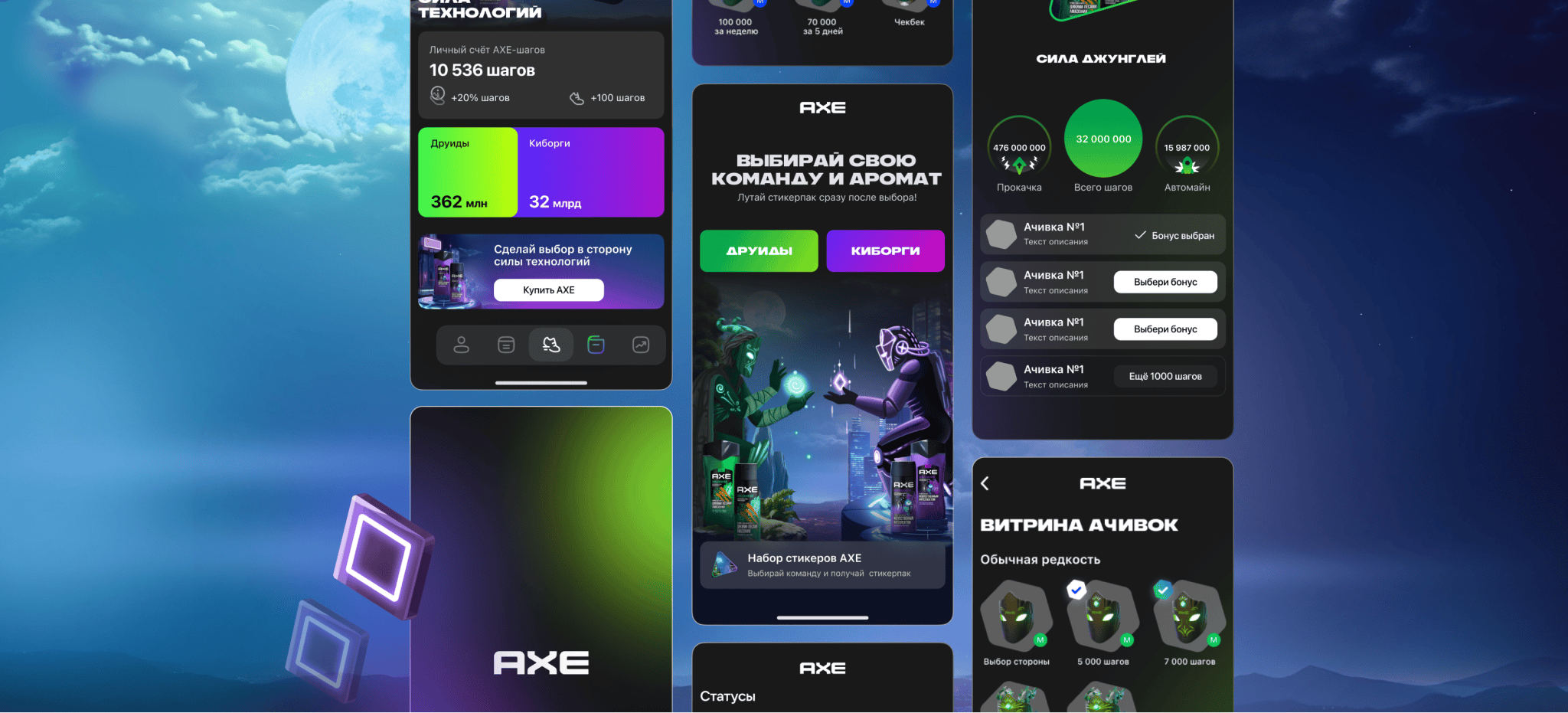
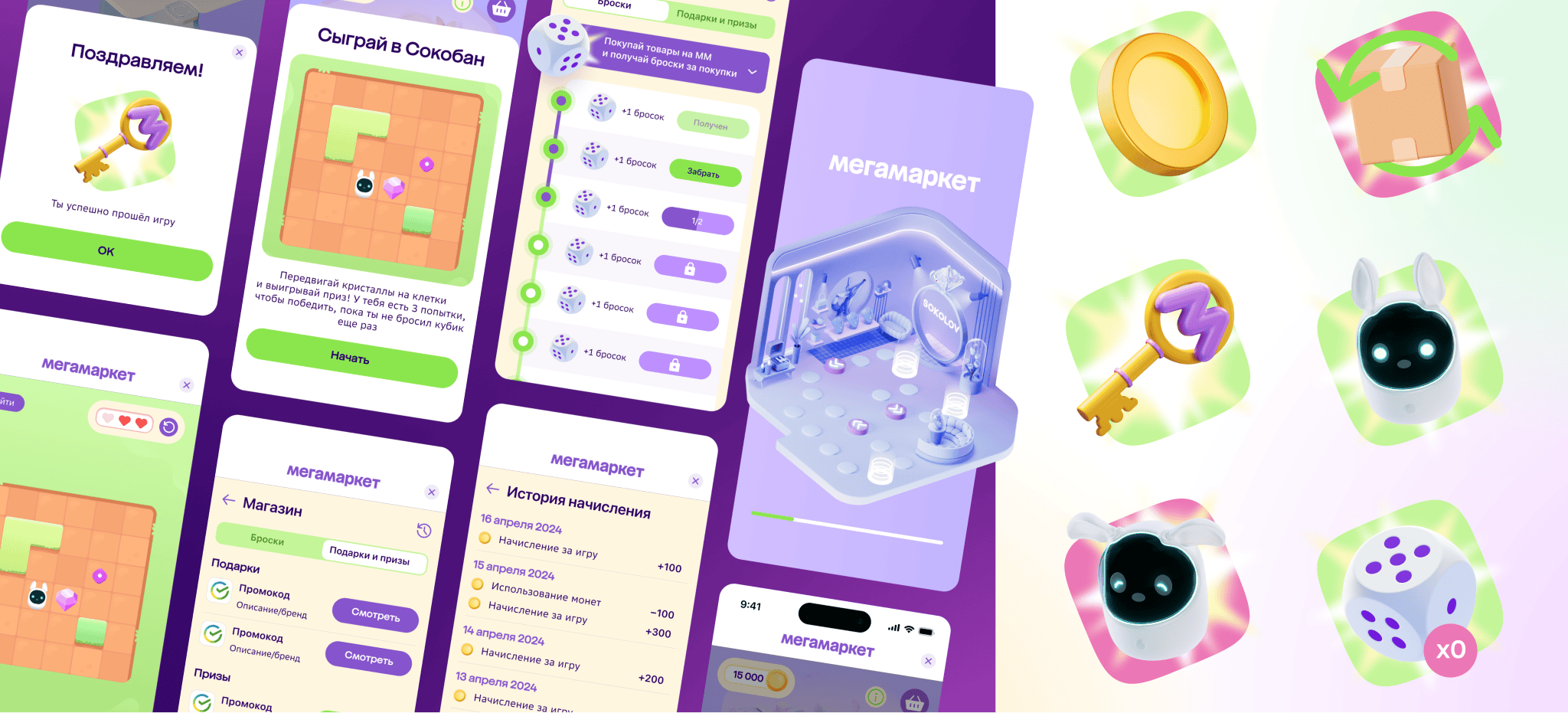
But the most popular mini-apps tend to be entertaining ones. Take “Tamagotchi” by Zolotoe Yabloko (Golden Apple) or MegaTower, a game we built for MegaMarket together with our partner IT company KTS.
Mini-apps can serve almost any purpose — it’s all about the business goal:
- Customer retention — quick access to services within familiar messengers or social networks.
- Monetization — paid features, subscriptions, or in-app advertising.
- Simplifying processes — food delivery, appointment booking, or payments in a few taps.
- Attracting new users and building loyalty — through bonuses and referral programs.
- Agile hypothesis testing — launch an MVP, gather feedback, and grow it into a full-fledged app later.
What we’ve already built:
- MegaTower — an in-app game for MegaMarket, created with KTS
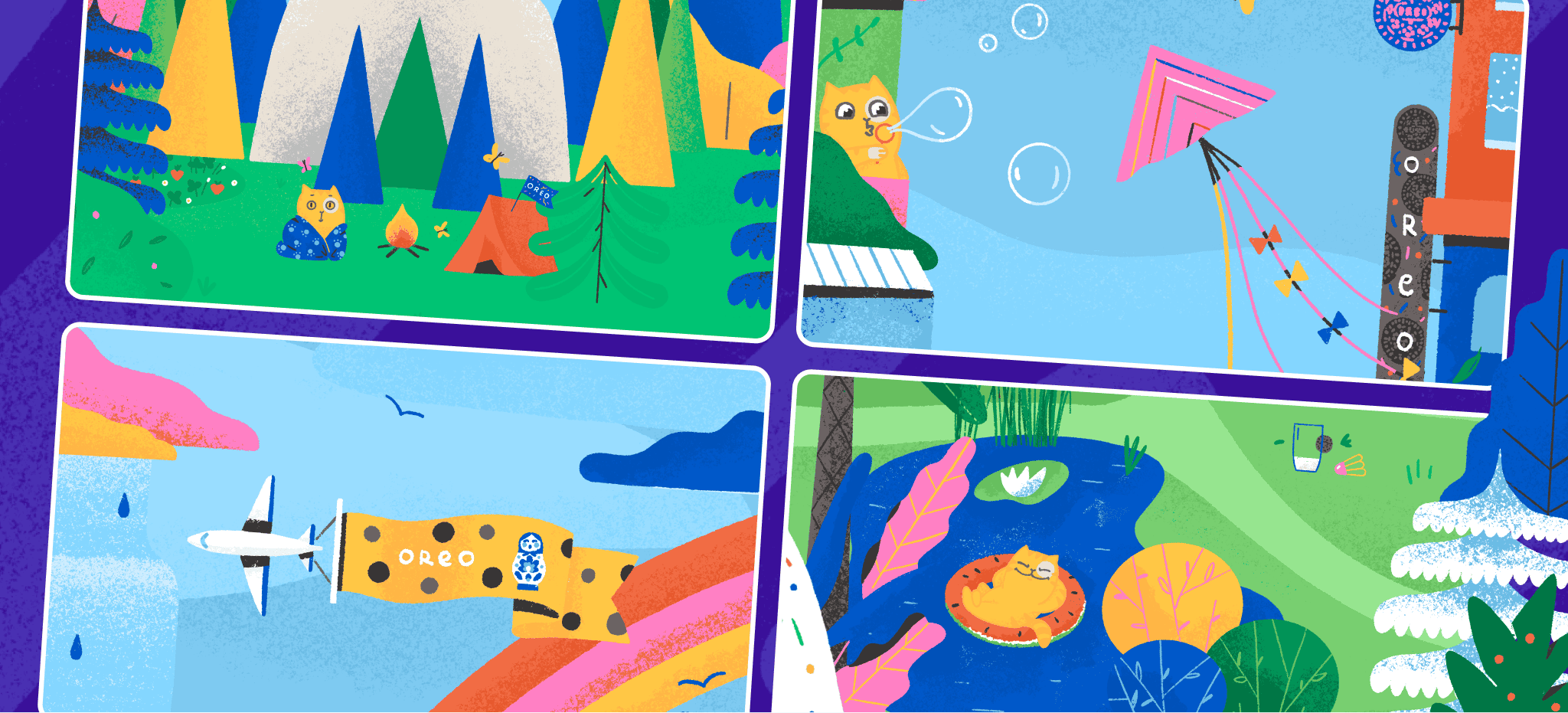
- Oreo Tower — a VK Mini App, also built in partnership with KTS
- New Year Mini-App for Prostokvashino

How a Business Can Get a Mini-App
At Mish Product Lab, we regularly develop mini-apps for brands. We handle everything end-to-end — and while some details are NDA-protected, here’s a peek behind the curtain at how we work.
It all starts with an idea...
…and a filled-out brief on our website. Then we schedule a meeting where the company explains what they expect from the mini-app.
Nikita Izmailov, Account Manager at Mish Product Lab:
“Every case is different. Sometimes a client comes with a detailed plan, goals, and even ideas for mechanics. But more often, we hear something like: ‘We want wow — but really, WOW.’ Our job is to find a solution that combines bright design with real business value.”
After the initial discussions, we evaluate the scope of work.
Then a team is selected and preparation begins.
Each project gets its own tailored creative team — copywriters, narrative designers (for gamified projects), visual designers, illustrators, and developers.
First, we build the creative concept and game mechanics, then move to design and production.
Denis Titov, Art Director at Mish Product Lab:
"The creative concept development stage is the most crucial. At this stage, we try to show the client the limits of what is possible and offer solutions if, for some reason, we cannot satisfy all of their wishes. This is the foundation for further work, and we pay close attention to the details. For some projects, the match happens immediately, while in other cases, this stage can be prolonged. In any case, it is always a close collaboration between the team and the client, because we can offer our creative ideas and solutions, but the client remains an important guide. They preserve and convey their company's editorial policy, corporate goals, and values. And our task is to ensure that our ideas and the client's values work in synergy.”
Moving to development
We’re a full-cycle agency, meaning we can handle everything — from concept to deployment. But if a client only needs creative development, we can stop on it.
If development is also required, our team can carry it out.
Alexey Avdeev, Technical Director at Mish Product Lab:
“Once the creative part is ready, usually mockups in Figma plus a detailed technical brief, the materials go to our dev team.
Developers break the task into sub-tasks:
Work happens in iterations, with demos after each stage. When everything’s ready, we integrate the mini-app into the client’s ecosystem.
Technically, the client’s app opens a web browser that loads the mini-app via a link just like opening a regular website, but designed to interact with the host app.
For instance, it can fetch the user’s name directly from the client’s database.”
Once integrated, the client can launch the mini-app and start getting real user engagement.
Do Mini-Apps Actually Work?
Yes — they do. For example, MegaTower helped MegaMarket attract almost 2 million users to a special campaign. Players guided a cute bunny mascot through colorful levels, earning promo codes and bonuses redeemable in MegaMarket.
Everything clicked — the character, visuals, mechanics, and interface. But most importantly, success started with a clear goal and a simple question:“What business impact should this mini-app deliver?”
More articles
Previous article
How AI Turns Designers into Creative Multitools
Hi! I’m Sergey, a graphic designer at Mish Product Lab. At some point, I was replaced by neural networks or maybe I just learned to work with them. In this article, I’ll share how I tamed artificial intelligence, multiplied my own efficiency, and stopped fearing that one day I’d be out of a job because of a machine.

Next article
Structure of a Component Library in Figma: Banking App Case
In the previous article, we talked about our experience optimizing a Figma project using a large banking application as an example: the file started to slow down significantly, and over time we came to understand how to solve this problem.
